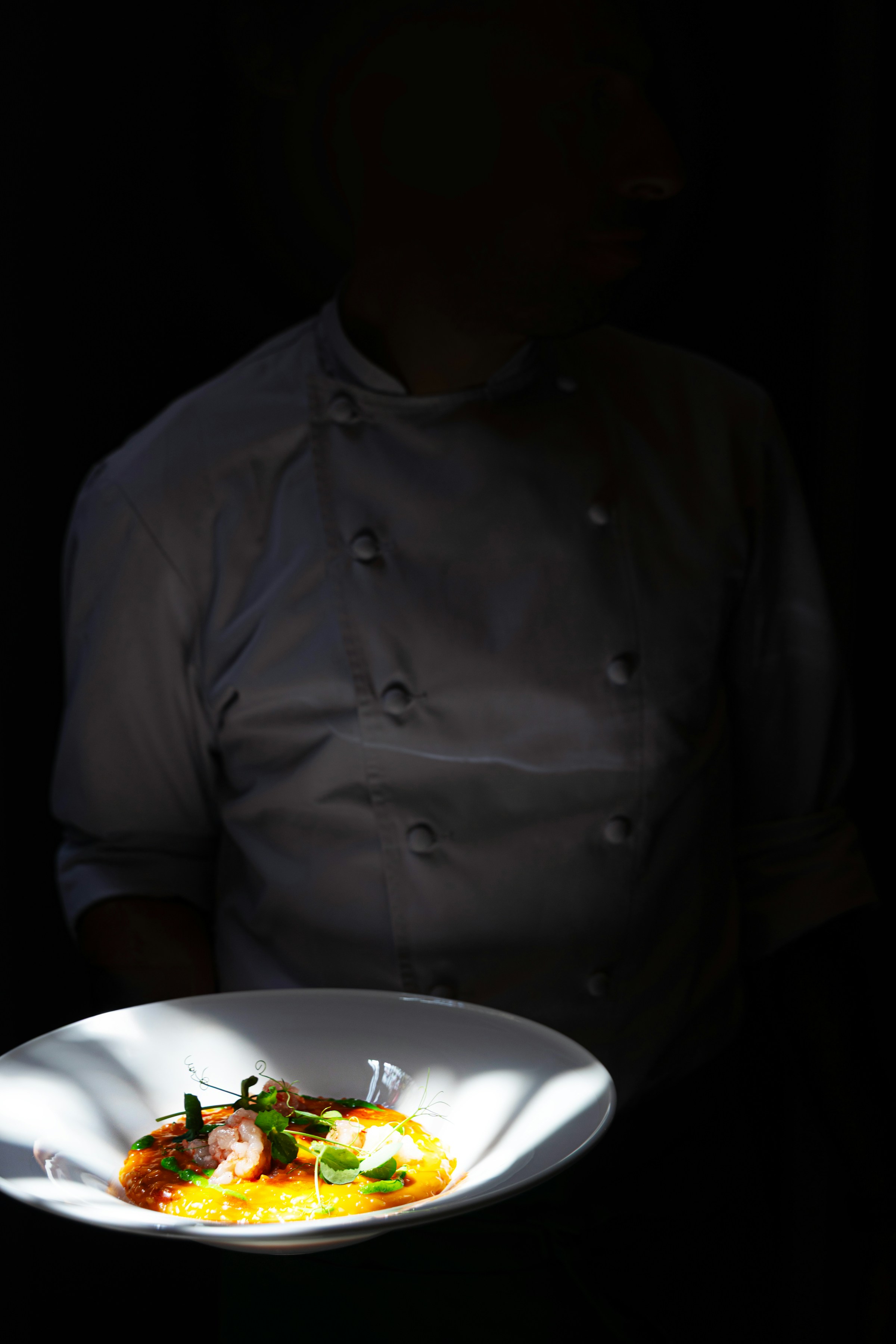
The private table
The new status symbol is not being seen at dinner. It is being received correctly. Across the world’s most ambitious dining cities, the rooms that matter are growing smaller: six seats at a counter, a table inside a cellar, a private salon behind the main restaurant or a chef residency that exists for only a few nights.
What these spaces offer is not secrecy for its own sake. It is control over rhythm. The chef can read the room. Service can move without interruption. Guests can hear the story of an ingredient without feeling part of a performance staged for the entire restaurant.
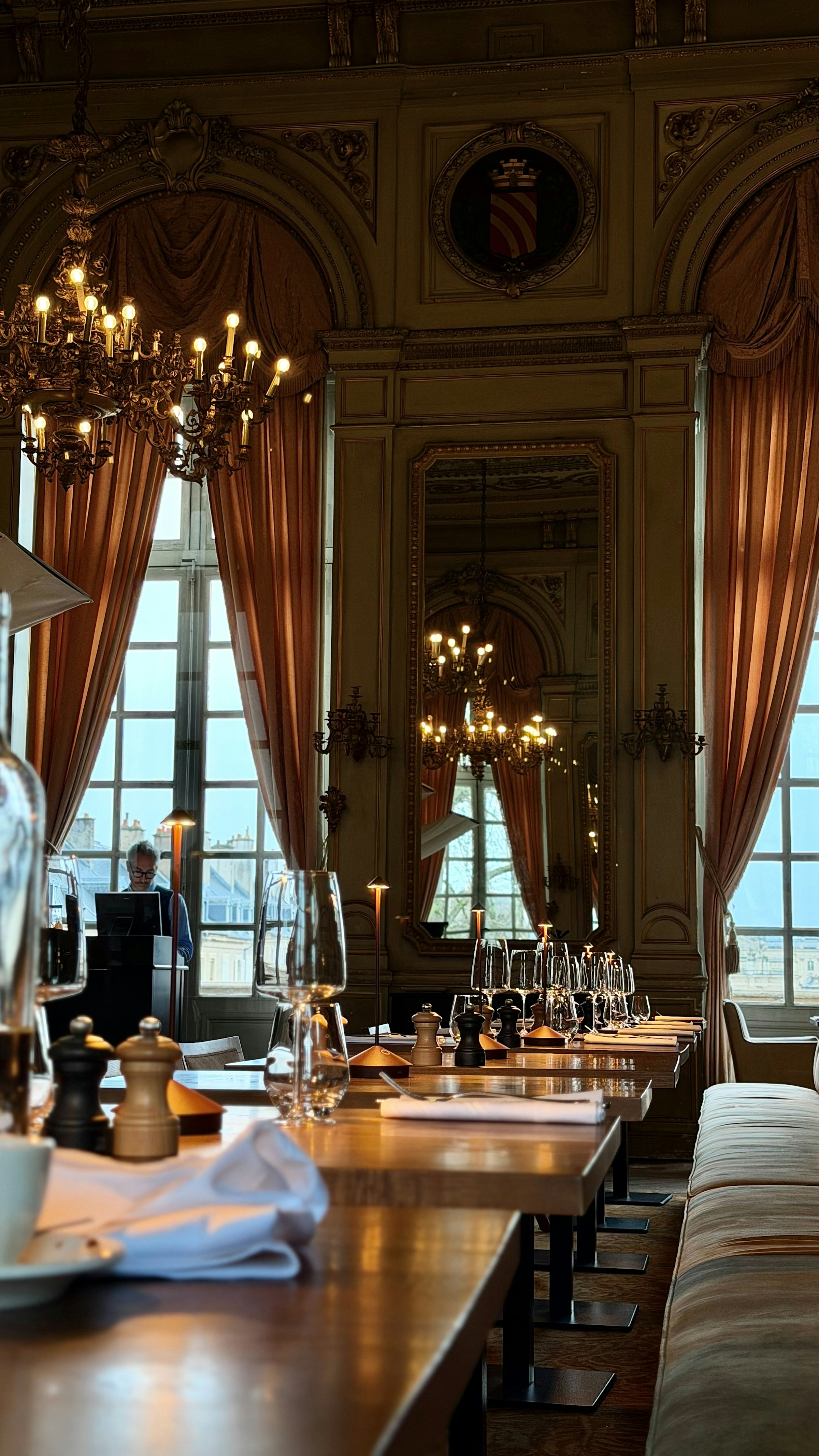
London gives the private table discipline. Los Angeles adds produce and a softer glamour. Dubai brings ambition, international talent and late-night energy. Monaco keeps the codes of Mediterranean hospitality: terraces, grand hotels, serious cellars and a sense that dinner belongs to a larger ritual.
The strongest meals are designed beyond the plate. Arrival, lighting, temperature, glassware and the final walk back into the evening all matter. This is why hotel dining rooms are becoming interesting again: they can connect dinner to the room, the bar, the spa and the departure the next morning.
“A great private dinner feels carefully composed, but never managed.”
- 01Smaller rooms allow service to become conversational.
- 02Cellars and hotel residences create new dining stages.
- 03The final drink is part of the menu, not an afterthought.